In today industrial landscape, “customization” is no longer just a luxury—it is a requirement for precision engineering and architectural innovation. Whether you are developing a specialized aerospace component or high-end architectural aluminum panels, understanding the fabrication lifecycle is crucial for project success.
The metal customization process is a highly integrated system of digital design and precision manufacturing. Here is the step-by-step roadmap to bringing your metal product to life.
1. Requirements Consultation & Technical Assessment
The process begins with a deep dive into the product’s intent. Top-tier fabricators utilize DFM (Design for Manufacturing) analysis during the initial consultation. This ensures that your conceptual sketches are actually manufacturable, helping to eliminate cost overruns before a single piece of metal is cut. Key considerations include:
Application environment: (e.g., anti-corrosion and weather resistance).
Performance vs. Budget: Balancing material strength with cost-efficiency.
Technical Feasibility: Identifying potential design flaws early.
2. Engineering & 3D Modeling (CAD/CAM)
Once the requirements are set, engineers translate ideas into high-fidelity technical drawings using advanced software like SolidWorks or AutoCAD. 3D previews are now the industry standard, allowing clients to visualize the final product and its structural integrity from every angle before moving to the shop floor.
3. Material Selection & Certification
Choosing the right substrate is critical for the product’s longevity. Depending on your needs, you may opt for:
Aluminum: Lightweight and naturally corrosion-resistant.
Stainless Steel: Durable, strong, and aesthetically versatile.
Specialty Alloys: Copper, brass, or titanium for specific industrial uses.
Verification: Modern procurement involves verifying material mill certificates to ensure quality consistency and compliance.
4. Prototyping & Validation
Before mass production, a physical prototype is created. Leading manufacturers offer rapid prototyping services to deliver samples for review. This stage allows for rigorous testing of fit, form, and function, ensuring the final batch meets all expectations.
5. Precision Manufacturing & Fabrication
Depending on the design, one or more of the following core processes will be used:
Sheet Metal Fabrication: Involves laser cutting, punching, bending, and welding (ideal for panels and enclosures).
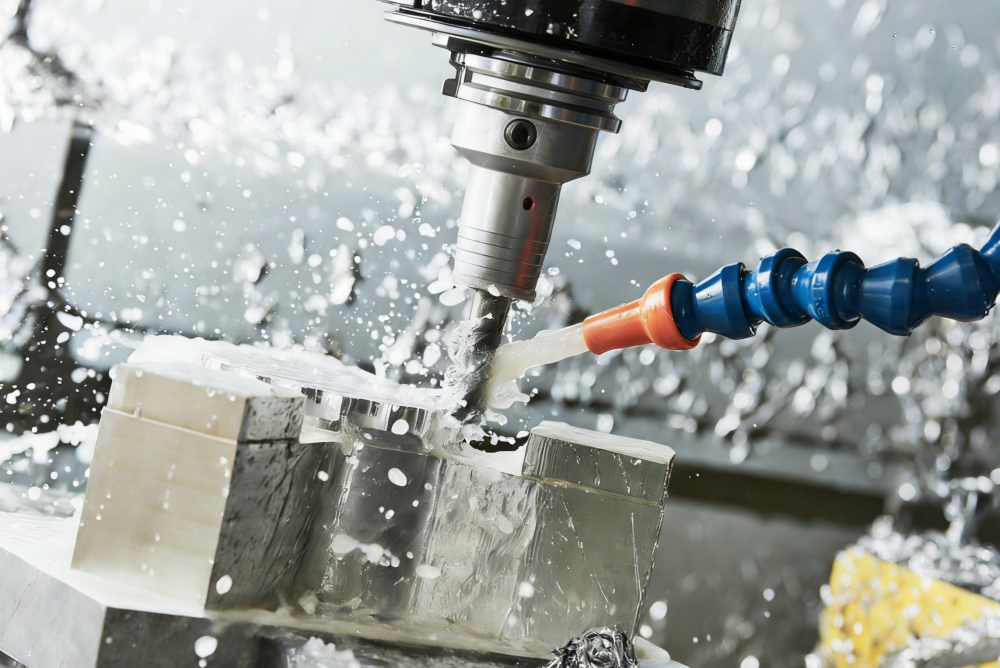
CNC Machining: Computer-controlled subtractive manufacturing for parts requiring extreme precision and tight tolerances.
Casting & Forging: Best for complex, heavy-duty shapes that require structural uniformity.
6. Surface Treatment & Finishing
Surface finishing enhances both the appearance and the durability of the metal. Common techniques include:
Powder Coating: For a thick, durable, and colorful protective layer.
Anodizing: A chemical process that hardens the surface of aluminum.
PVD & Electroplating: For high-end metallic finishes (like gold or chrome) with superior wear resistance.
7. Quality Assurance (QA) & Logistics
The final stage involves comprehensive inspection against the agreed-upon technical specifications. This includes dimensional checks and aesthetic reviews. Finally, products are securely packaged and shipped according to the logistics plan to ensure they arrive in pristine condition.
Tips for a Successful Custom Project
Partner with Digital-First Fabricators: Work with manufacturers who use integrated digital systems for better communication and fewer errors.
Prioritize DFM: Listen to the engineer’s feedback during the design phase; small changes can often lead to significant cost savings.
Clear Documentation: Ensure all tolerances and finish requirements are clearly documented in the final contract.
Ready to start your project? High-quality custom metal products require a partner who balances traditional craftsmanship with cutting-edge technology. Ensure your chosen fabricator offers a transparent, step-by-step workflow to guarantee the best results.


From Vision to Reality: The Definitive Guide to Custom Metal Fabrication
Bywing